
Cyber-attackers don’t just exploit vulnerabilities in code. They exploit habits, routines, and inattention.
Curiosity and distraction are part of how we connect online, but they’re also what social engineers exploit best.

Conversations create accountability. When you speak up, you give others permission to do the same. That makes it much more likely that the team will catch any mistakes.
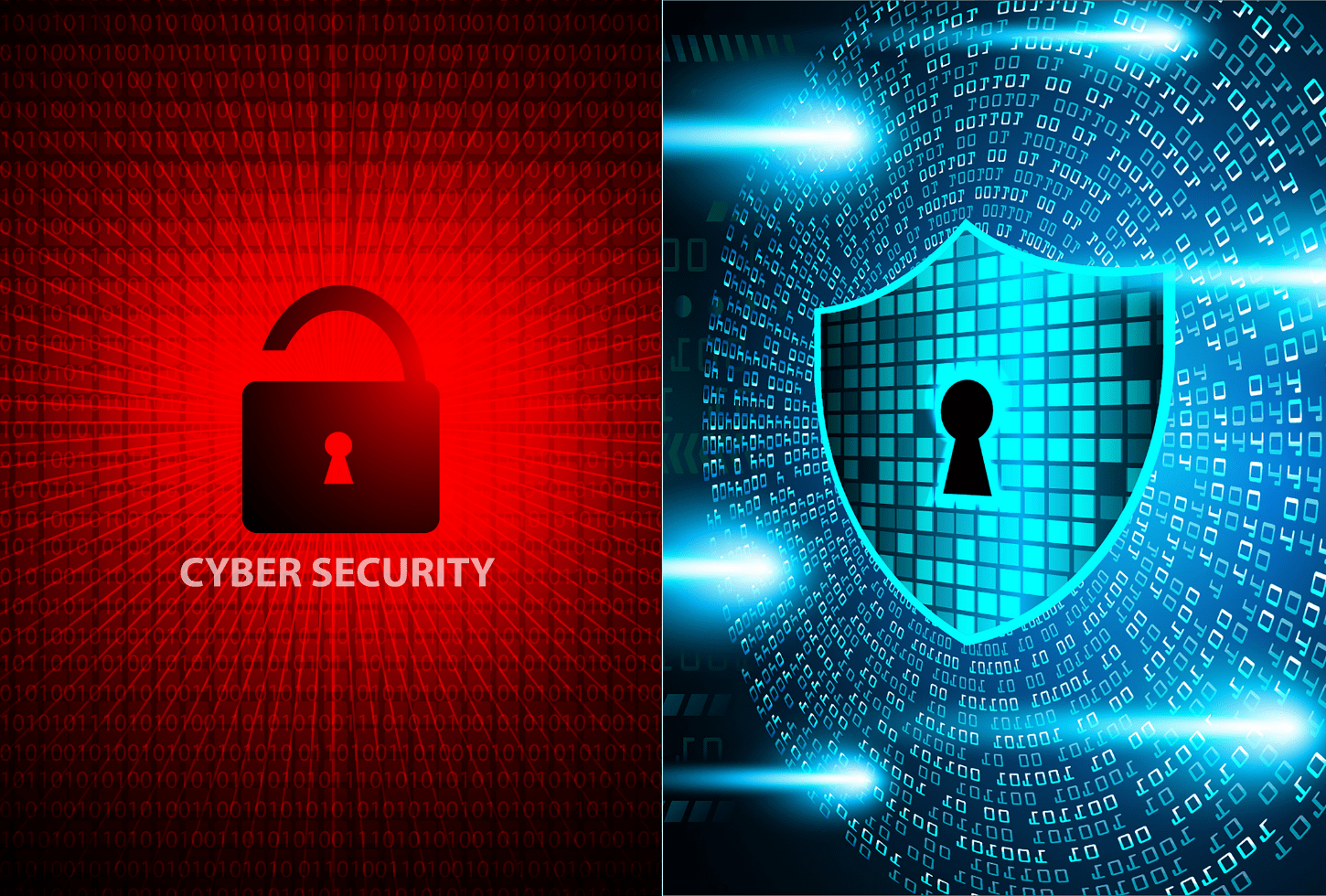
Modern security breaches rarely happen because of one single, giant mistake. Each moment of convenience comes at the cost of data security risk.
Phone slamming is much more than a mere annoyance. In many cases, it’s a gateway to further fraud.
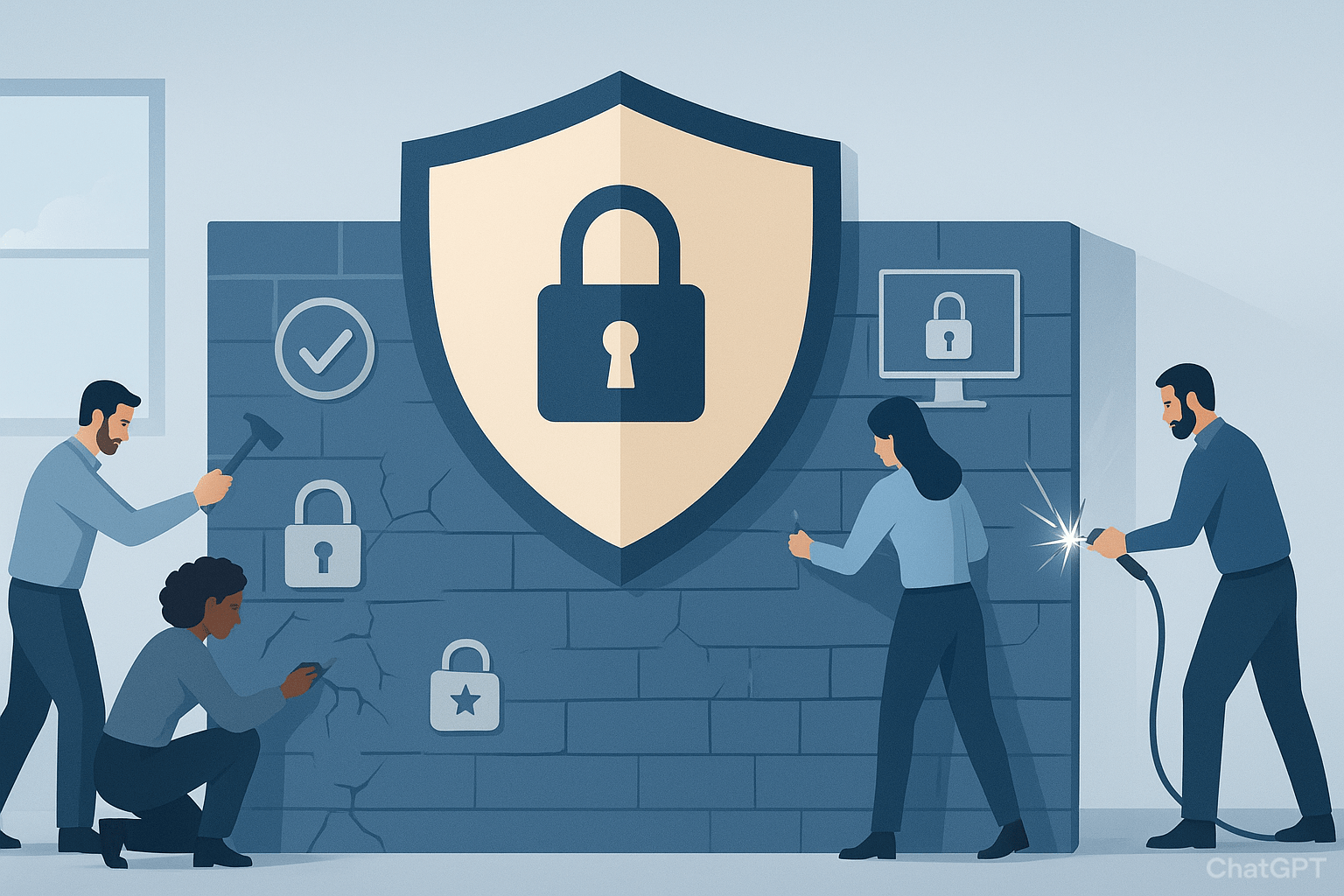
How do you know if your cyber-defenses are more about looking secure than actually blocking an attack?
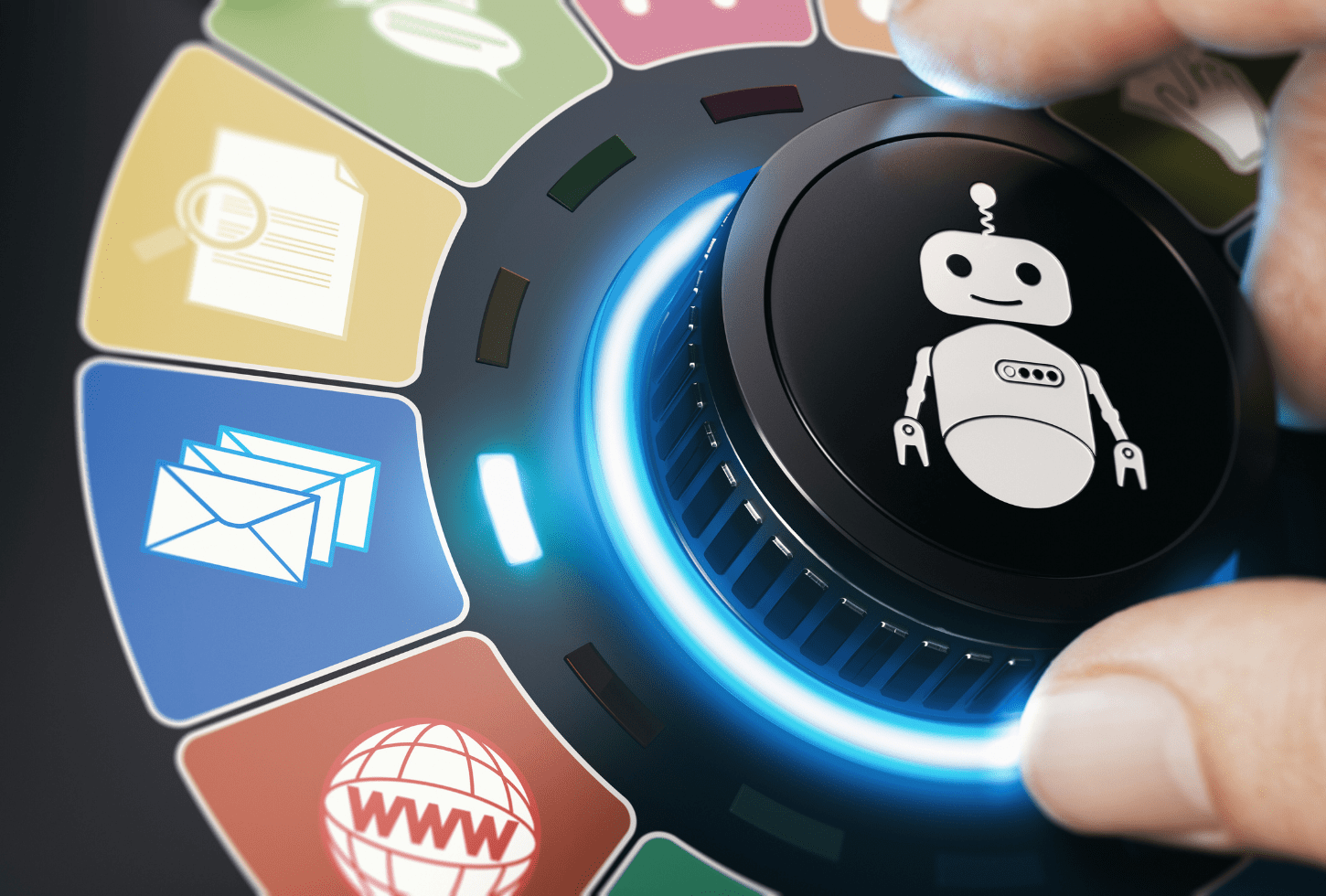
The real future of security isn’t automating online tasks alone. It’s AI and people working together, covering each other’s blind spots.
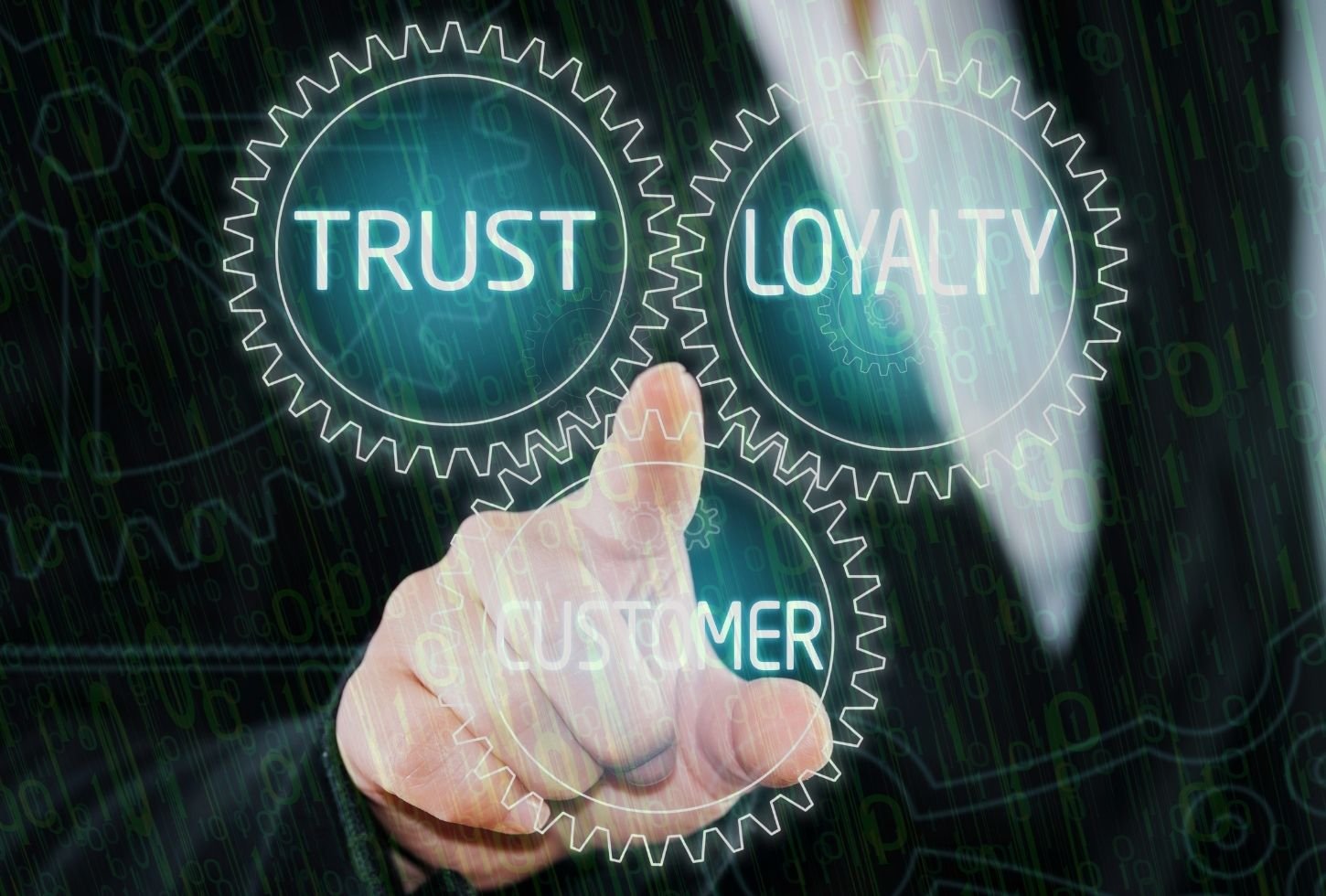
“Zero trust” often collides with the reality that businesses still rely on convenience, shortcuts, and trust in people. How can you make sure your data stays secure?
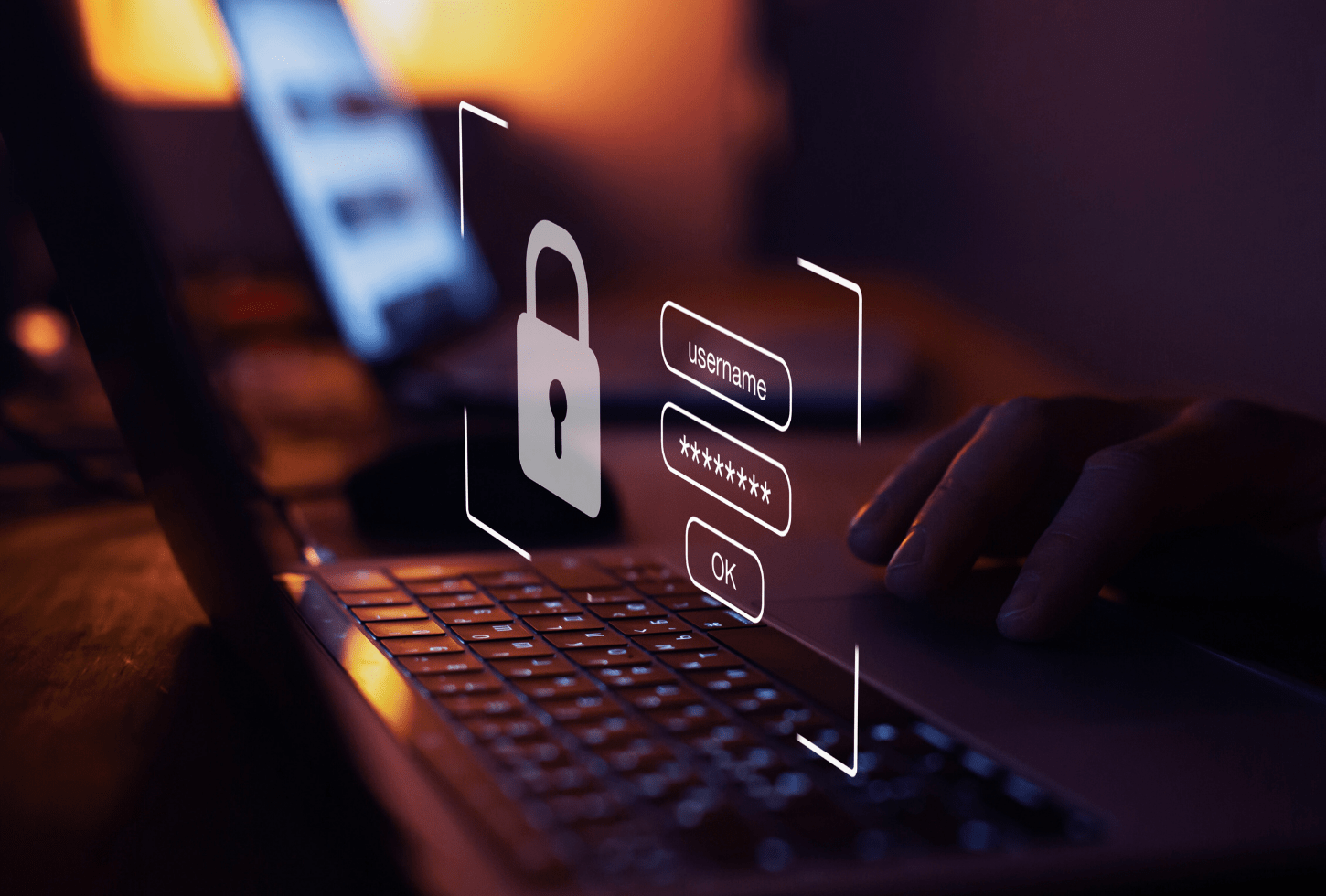
You hear about phishing and malware, but there’s another threat that often flies under the radar: Spoofing.
What makes this threat so particularly dangerous? How can you avoid becoming a target?
Smishing scams can affect anyone—especially during tense and confusing times like tax season.
What can you do to protect yourself from threats like this?